Do You Need a Transfer Switch for CPAP Home Battery Backup?
When a transfer switch is worth it for CPAP home battery backup versus when simple extension-cord backup already solves the problem.
By Max · Published August 31, 2026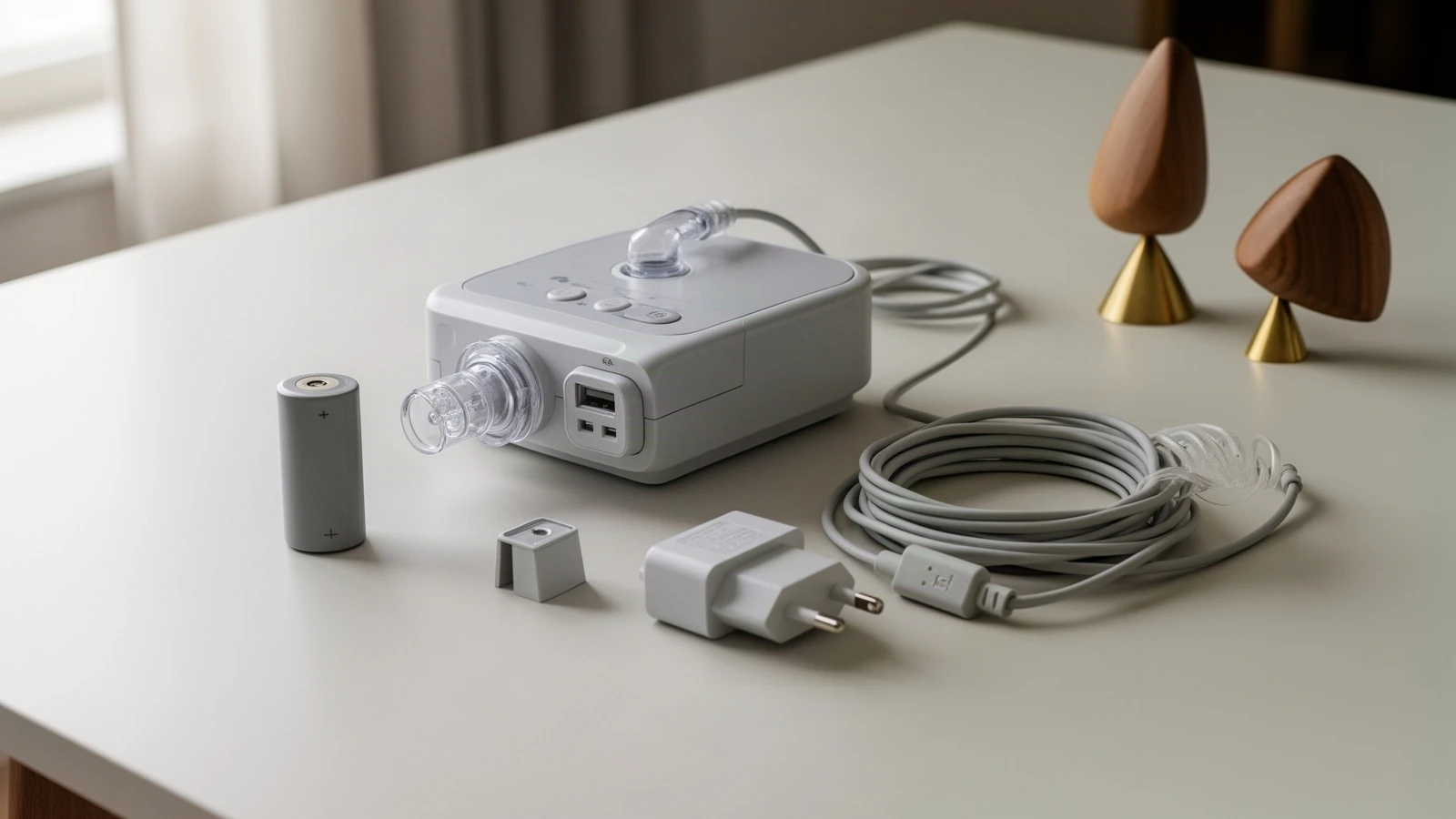
This is backup-power planning information, not medical advice. Follow your device manufacturer's instructions and ask your care team about treatment decisions.
Most CPAP backup power setups do not need a transfer switch. This guide is for the minority of readers who have outgrown a simple battery-and-extension-cord setup and are wondering whether to integrate backup power more permanently into the home’s wiring. If the machine plugs straight into a battery beside the bed, you can stop here: that path never touches your electrical panel and needs no transfer equipment.
What a transfer switch actually does
A transfer switch selects between the utility source and an approved backup source while preventing the two from being connected to each other. That isolation is the entire point. It keeps a generator or battery from pushing power back onto the utility lines, which protects both your equipment and any lineworker restoring service. Manual versions require an operator to move the switch; automatic versions detect a utility interruption and transfer according to the installed system’s design. The equipment and installation must be listed and approved for the specific backup source and electrical service. Eaton’s residential transfer-switch reference describes a manual switch for selected circuits and a mechanical interlock that prevents utility and backup sources from being on at the same time. That is a general generator-transfer example, not a universal design for a home battery.
The ways backup connects to a house
There is no single “transfer switch.” The right hardware depends on the backup source and the local electrical authority, and choosing it is an electrician’s job, not a purchase you make from a product page. The common approaches differ mainly in how much of the house they cover and how the handover happens:
- A manual interlock or manual transfer arrangement lets an operator switch selected circuits to a backup source by hand after the utility fails.
- An automatic transfer switch or a battery system’s gateway detects the outage and moves the protected circuits over without someone flipping a switch.
Which one is permitted, and how it is wired, is defined by the system manufacturer, the installer, the utility, and the local electrical code. Treat any specific product’s design as an example, not a template for your home.
When you do not need one
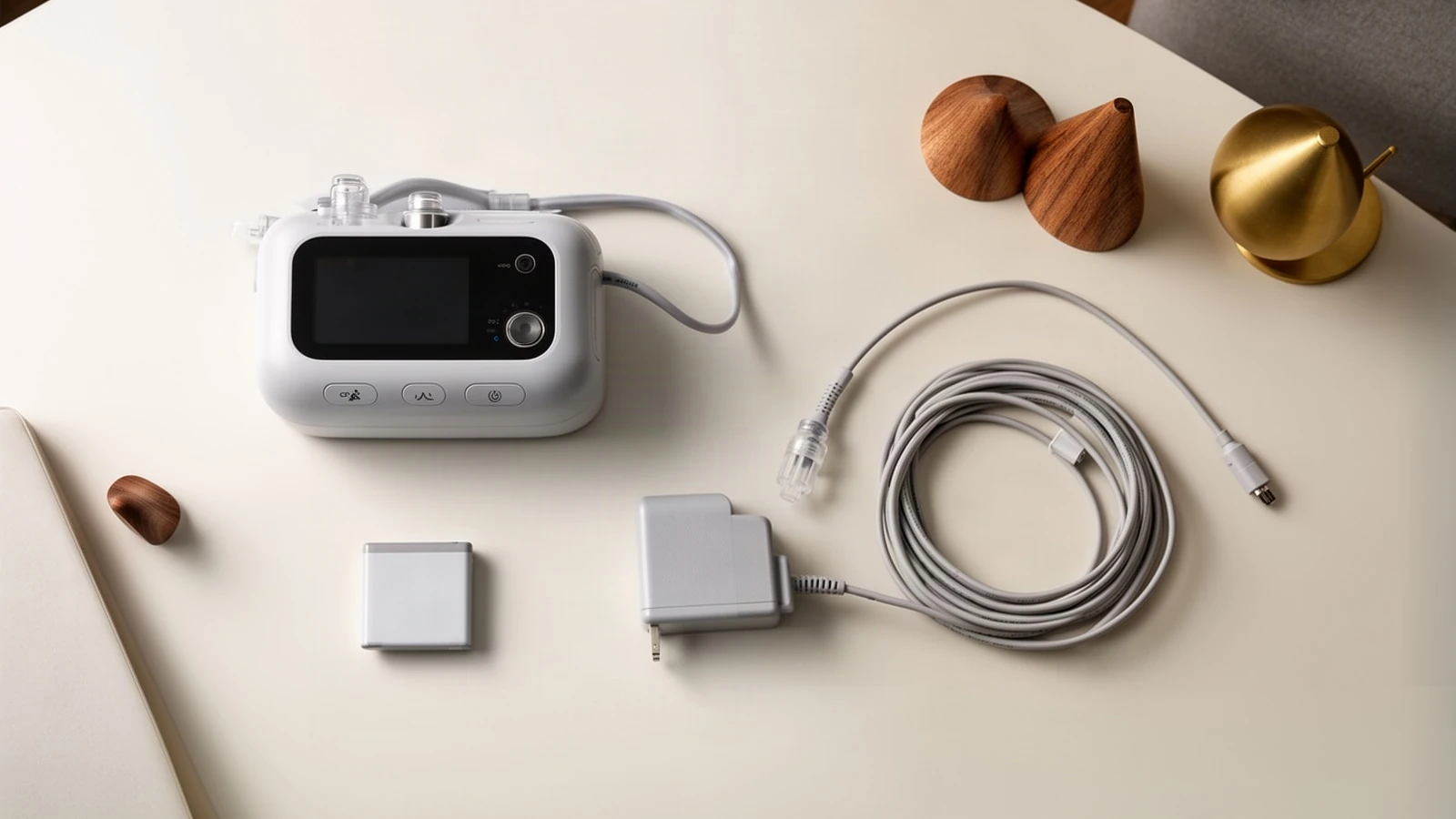
If your CPAP backup plan is a battery or power station you plug the machine into directly, with no connection to your home’s electrical panel or wiring, that path does not use a transfer switch. The battery sits beside the bed, the CPAP plugs into it or through it, and the home’s branch circuits are never supplied by the backup source. This is the usual direct-device backup arrangement. Start with the power outage preparedness guide for that simpler path.
Signs you have outgrown bedside backup
A transfer switch becomes relevant when the plan is no longer “keep one machine running” but “keep part of the house running.” A few situations tend to push people there: a household that also needs a refrigerator, a sump pump, well pump, or other medical equipment through an outage; frequent or multi-day outages where running extension cords to several devices becomes unmanageable; or a generator or home-battery purchase that is already happening for broader reasons. In each case CPAP is one load among several on a system that exists for the whole household, and the machine simply rides along on protected circuits. The outage-preparation guide covers when that larger scale of backup is actually worth it.
Why this is not a DIY electrical project
Improperly connecting a generator or battery system to household wiring with a male-to-male cord or another makeshift connection creates backfeed, electrocution, and fire risks. CPSC issued a 2026 warning about those cords, and OSHA’s generator guidance says a generator must not be attached to a building electrical system unless a qualified electrician has properly installed it with a transfer switch. A home-battery interconnection can use different listed equipment. For example, Tesla’s current installation documents identify a Backup Gateway or Backup Switch as part of a Powerwall system and say installation should only be performed by a Tesla Certified Installer. That example is not a universal design: the system manufacturer, installer, utility, and local electrical authority must define the permitted equipment and interconnection. Licensing, permit, inspection, and utility-notice requirements vary by product and jurisdiction; confirm all of them with the installer and authority having jurisdiction. This page explains the decision boundary; it is not installation guidance.
The proportionality question
Before paying for a transfer-switch installation, weigh it against what you are actually trying to solve. If the only device that needs backup is a CPAP, first compare a direct, listed portable backup path that does not connect to household wiring, which is movable and does not require panel work. A transfer switch becomes proportionate when the plan intentionally supplies selected household circuits or a larger part of the home, with CPAP as one load among several. Compare that fixed-system scope with a direct bedside battery before committing to panel work.
Sources
- OSHA Portable Generator Safety (regulator; retrieved 2026-09-01)
- CPSC warning on male-to-male cords and backfeeding (regulator; retrieved 2026-09-01)
- Tesla Powerwall installation documents (manufacturer; retrieved 2026-09-01)
- Eaton residential manual transfer switches (manufacturer; retrieved 2026-09-01)