outage planning
Research library
CPAP backup power guides
Machine-specific, assumption-visible guidance for planning backup power. Articles appear here only after their evidence and publication gates pass.
travel
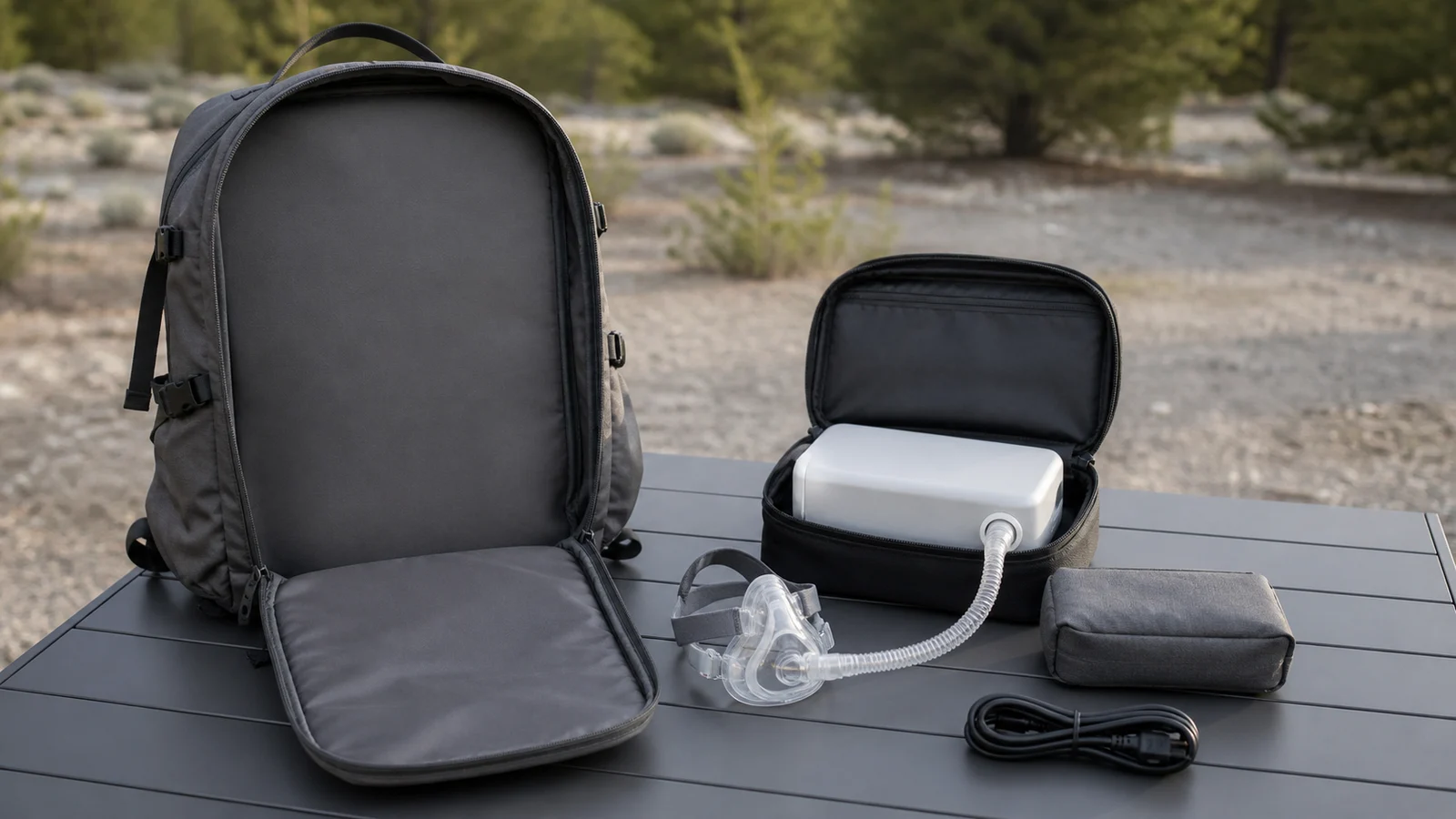
Backpacking With CPAP: The Lightest Practical Battery Setup
A weight-first guide to backpacking with CPAP: travel machines, under-100Wh batteries, USB-C limits, waterless humidity, cold, altitude, and town recharges.Read guide
outage planning
Do You Need a Transfer Switch for CPAP Home Battery Backup?
When a transfer switch is worth it for CPAP home battery backup versus when simple extension-cord backup already solves the problem.Read guide
travel
RV And Van Life CPAP Power: Shore, Solar, Alternator, Or Battery?
Plan CPAP power in an RV or van with 12V DC adapters, pure sine inverters, house batteries, solar sizing, alternator charging, and boondocking margin.Read guide
buying guide
Can You Use FSA, HSA, Or Medicare For A CPAP Battery?
How FSA, HSA, Medicare, and tax rules apply to CPAP batteries and power stations, including eligibility limits and the records to keep.Read guide
outage planning
Insurance Denied Your CPAP Battery? Use This Appeal Checklist
What to do after a CPAP battery insurance denial: appeal levels, documentation, Medicare limits, LMN language, and safer fallback funding options.Read guide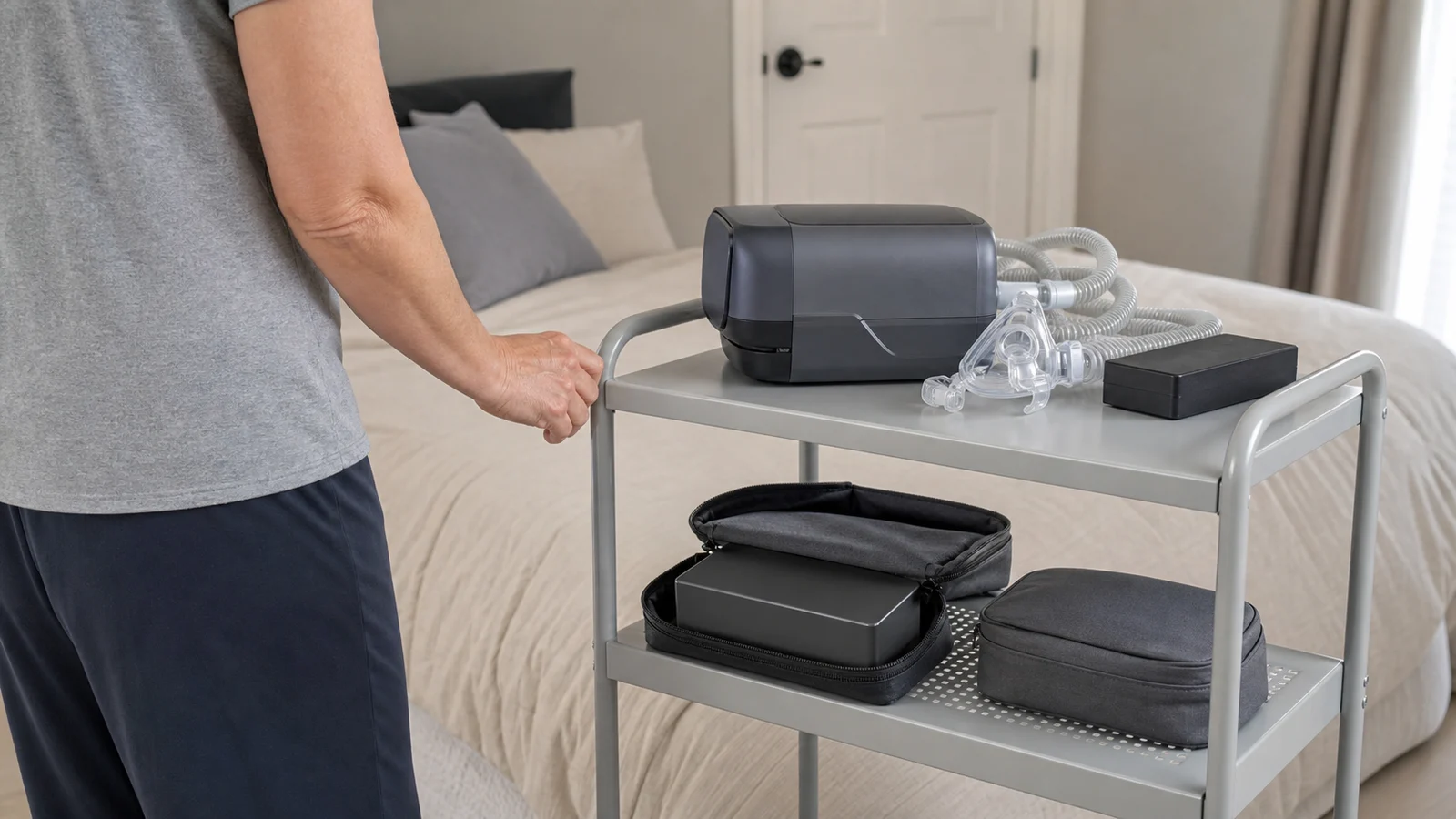
outage planning
CPAP Battery Planning for Caregivers
Build a caregiver-friendly CPAP backup plan with labels, charging routines, runtime notes, and safe escalation rules.Read guide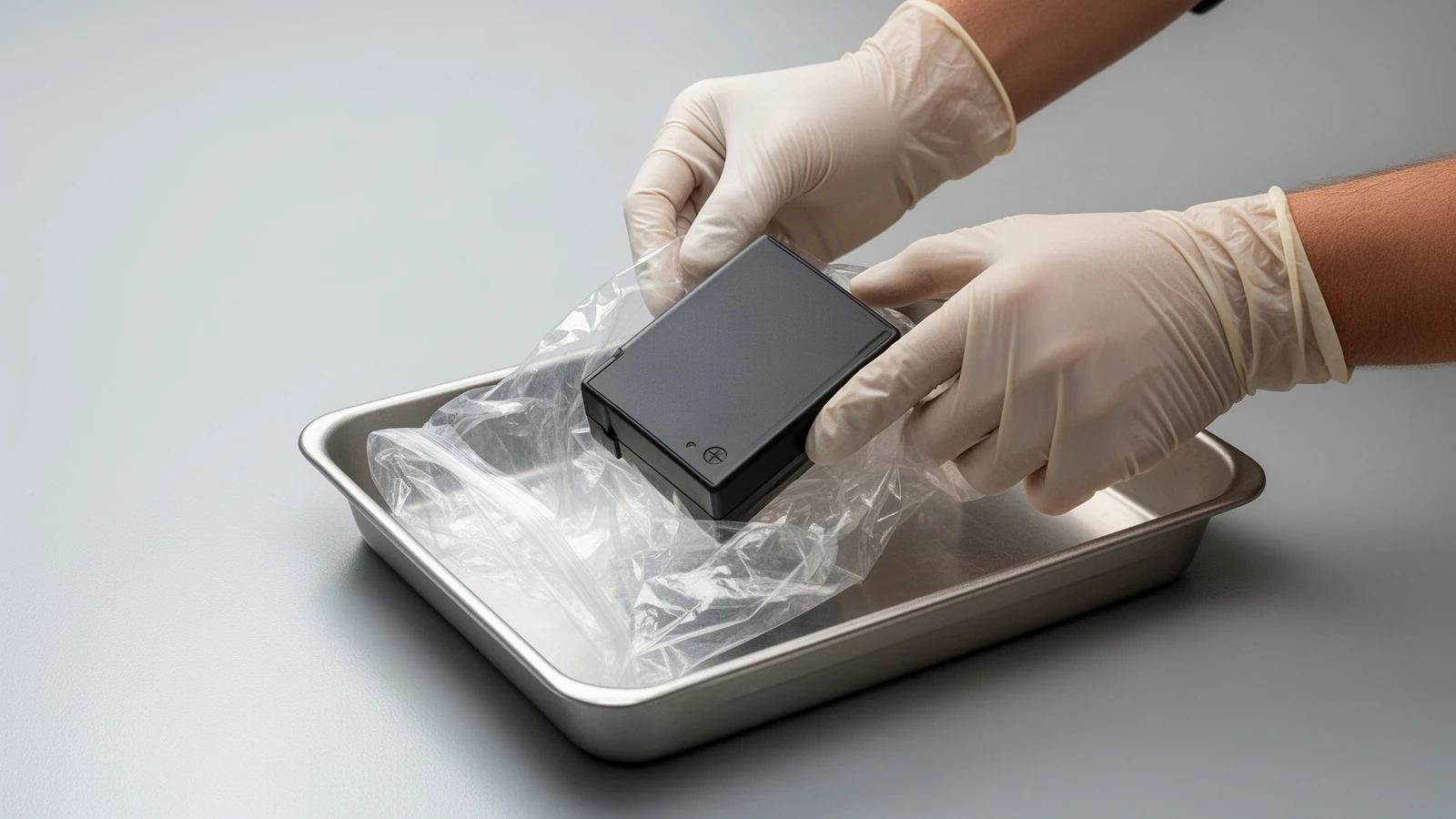
power basics
How to Dispose of or Recycle a CPAP Battery
Recycle or dispose of a lithium CPAP battery using EPA guidance, terminal protection, damage checks, and local drop-off programs.Read guide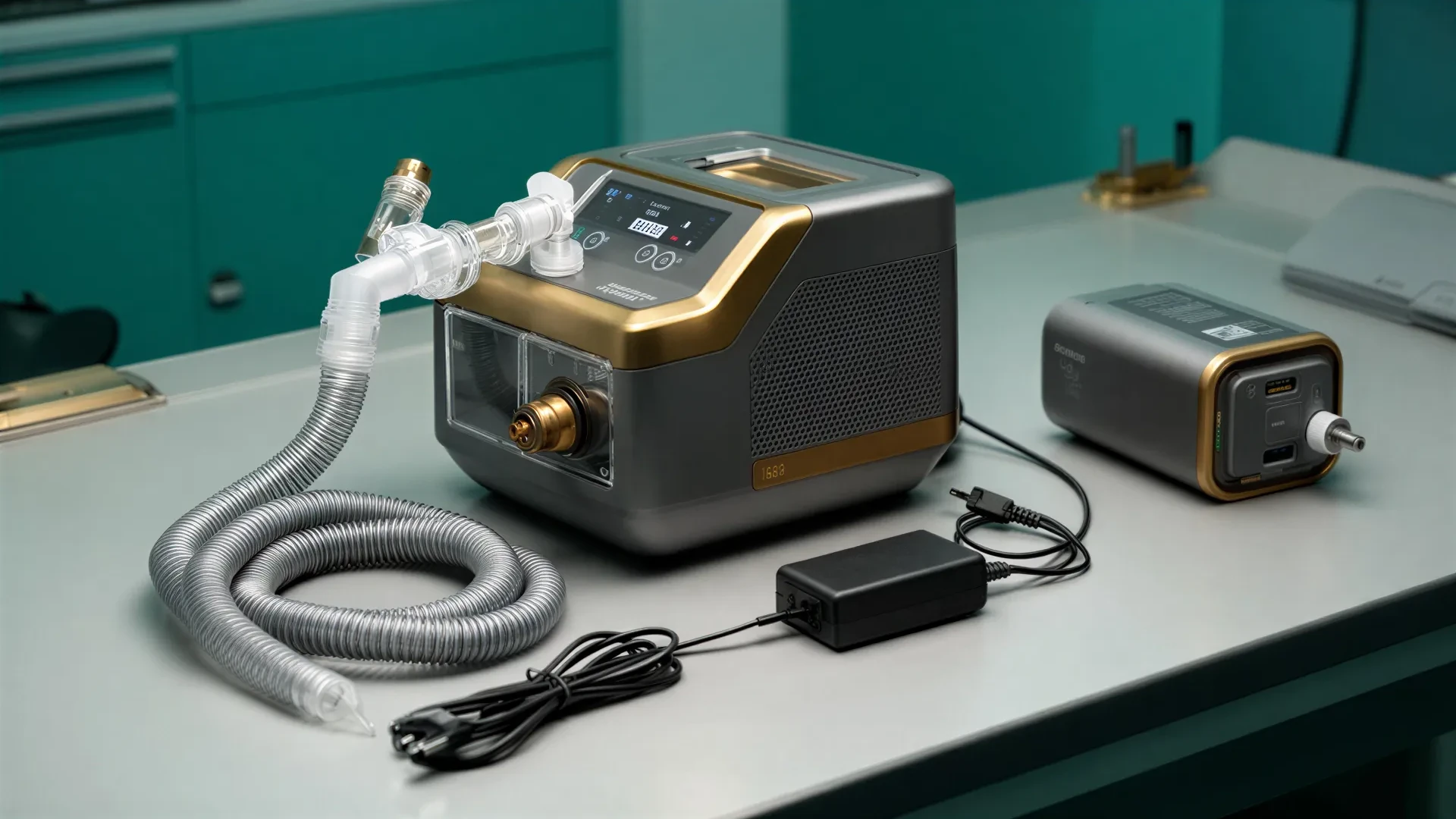
runtime
BiPAP and ASV Battery Backup: How to Size Power More Conservatively
Size battery backup for BiPAP, bilevel, and ASV machines with conservative assumptions for pressure, humidification, connection loss, and reserve.Read guide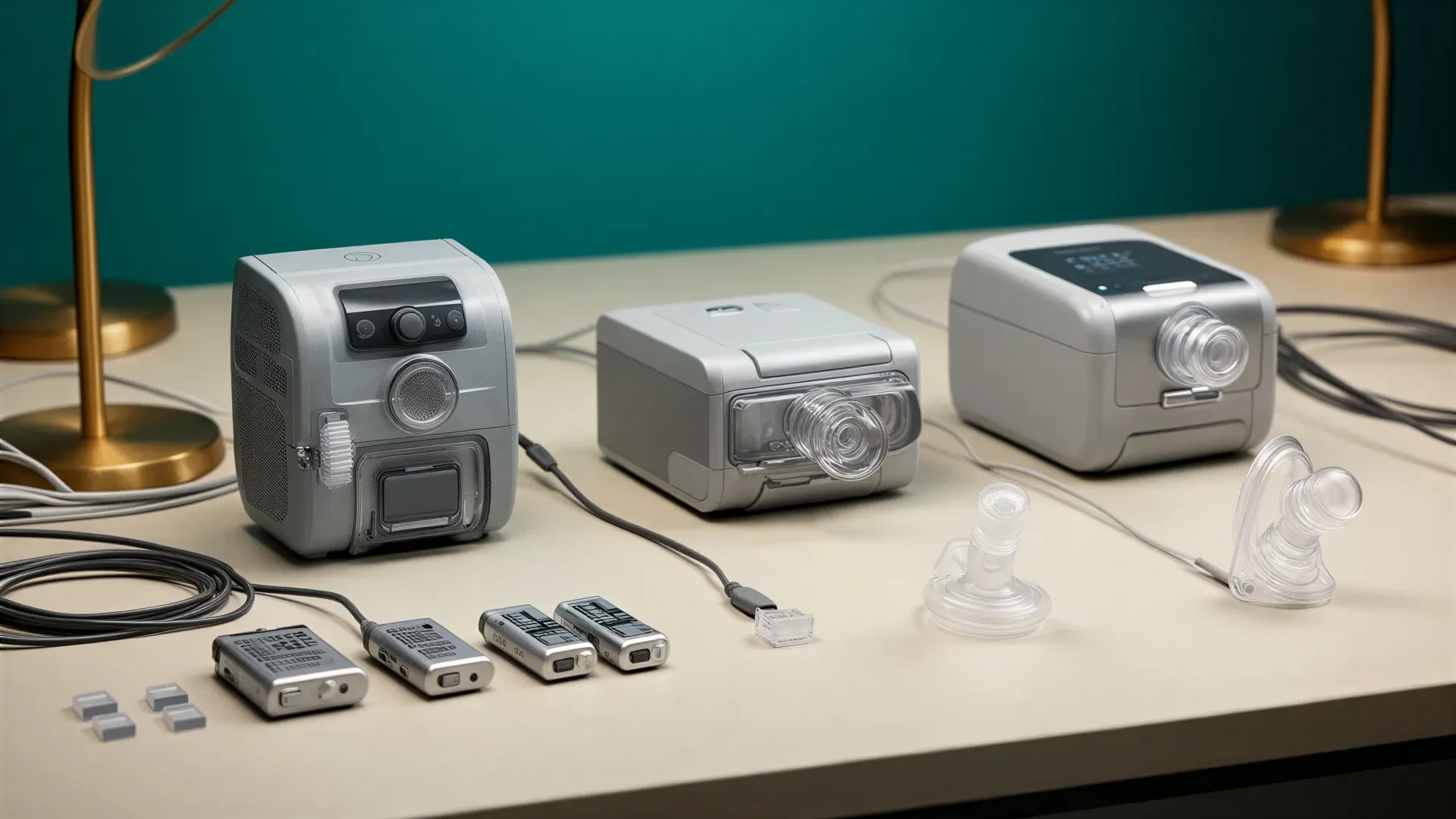
travel
Travel CPAP Machines Compared for Battery Life
Compare AirMini, Transcend Micro, and Breas Z2 by power draw, humidification, battery ecosystem, and support risk.Read guide
travel
Using a CPAP on a Cruise Ship: Power, Distilled Water, and Battery Prep
Plan CPAP power for a cruise ship with line-specific extension-cord, distilled-water, battery, and carry-on checks.Read guide
outage planning
How to Store, Maintain, and Replace a CPAP Backup Battery
Keep a CPAP backup battery ready with storage charge, temperature limits, monthly checks, replacement signs, and safe recycling steps.Read guide
power basics
CPAP Battery Safety Certifications: What UL, UN38.3, CE, FCC, and RoHS Mean
Read CPAP battery certification claims without over-trusting them: UL 2743, UN38.3, IEC 62133, CE, FCC, RoHS, Prop 65, and FAA limits.Read guide
travel
Flying With a CPAP Battery: FAA, TSA, and Airline Rules
Check CPAP battery carry-on rules, FAA watt-hour limits, TSA screening, airline approval, and in-flight-use planning before flying.Read guide
runtime
HME Filters for CPAP Battery Runtime: When They Actually Help
Use a passive HME filter to estimate CPAP humidification tradeoffs, watt-hour savings, comfort limits, and emergency battery planning.Read guide
runtime
CPAP Power Consumption: What Changes Your Battery Runtime
Estimate CPAP battery needs by separating machine draw, heated humidity, hose heat, connection losses, reserve, and battery age.Read guide
power basics
DC vs AC CPAP Battery Connection: Which Path Wastes Less Power?
Compare CPAP DC cable, DC converter, and AC inverter paths so battery runtime estimates use the right conversion-loss assumptions.Read guide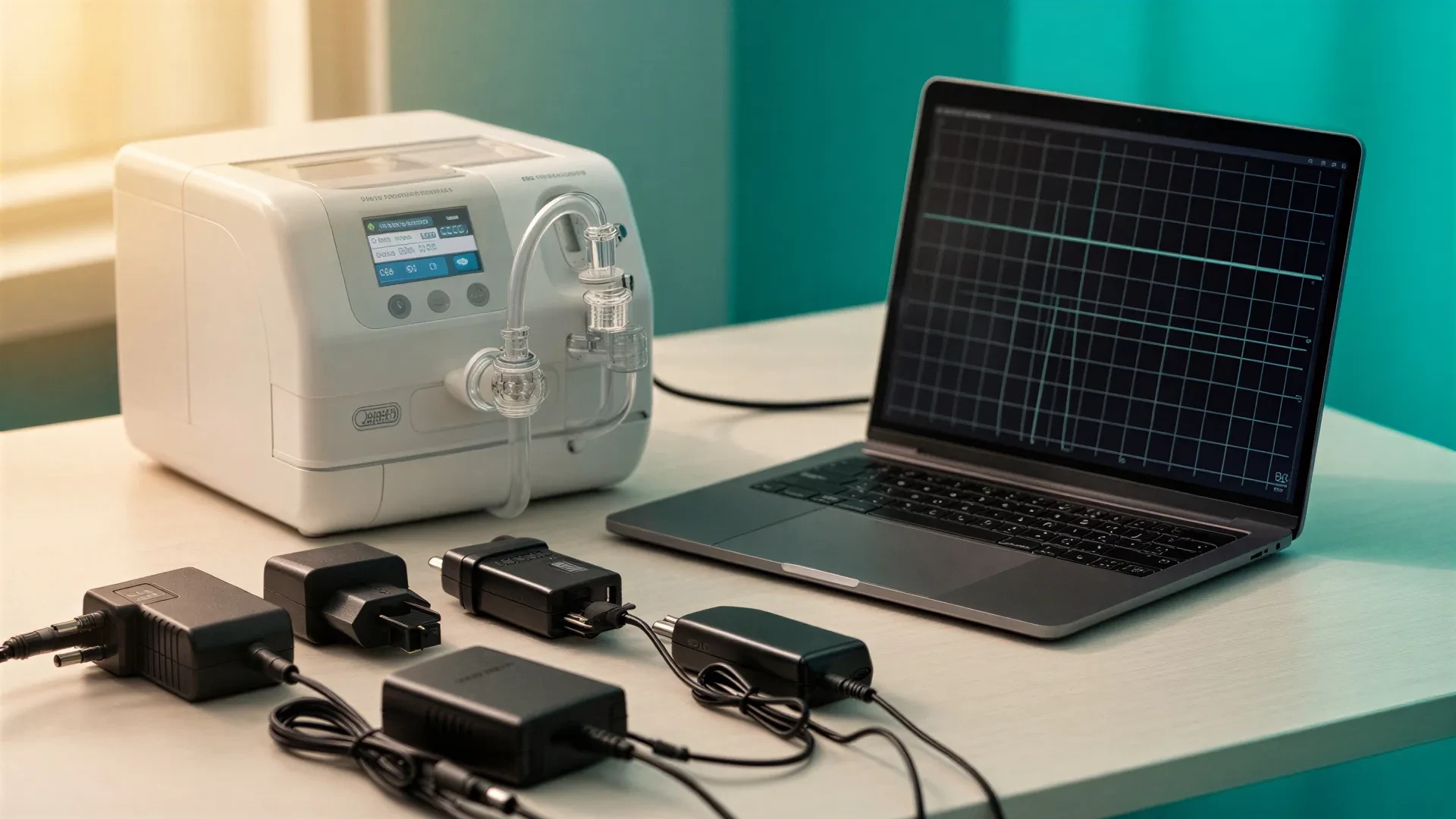
power basics
CPAP Battery Compatibility: Verify The Machine Before Estimating Runtime
Check CPAP voltage, DC input, source quality, and estimated versus verified draw before trusting a battery runtime estimate.Read guide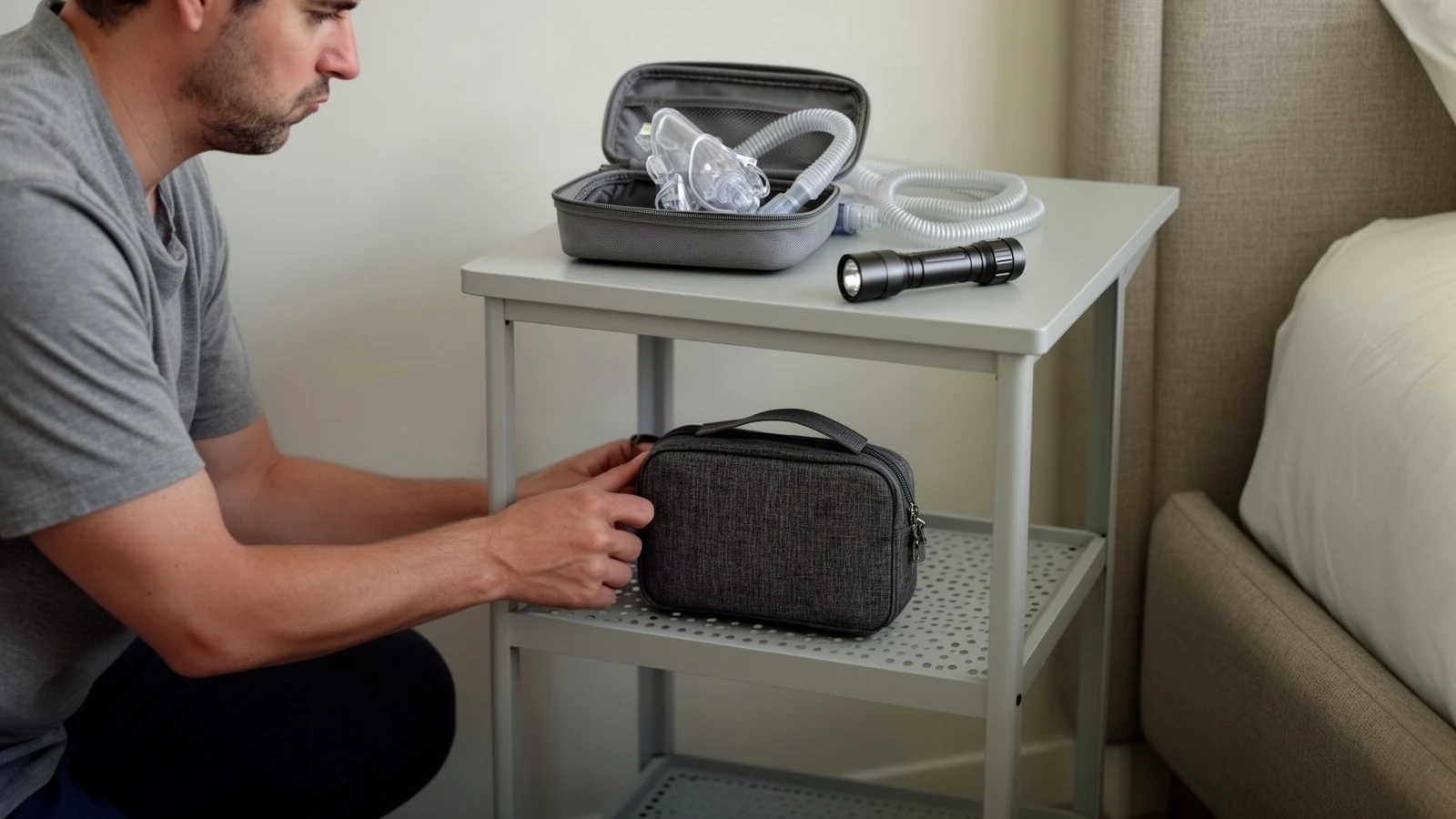
outage planning
CPAP Power Outage Prep: Build A Backup Plan Before The Lights Go Out
Create a CPAP outage plan that records your machine load, battery capacity, reserve, recharge path, and overnight test results.Read guide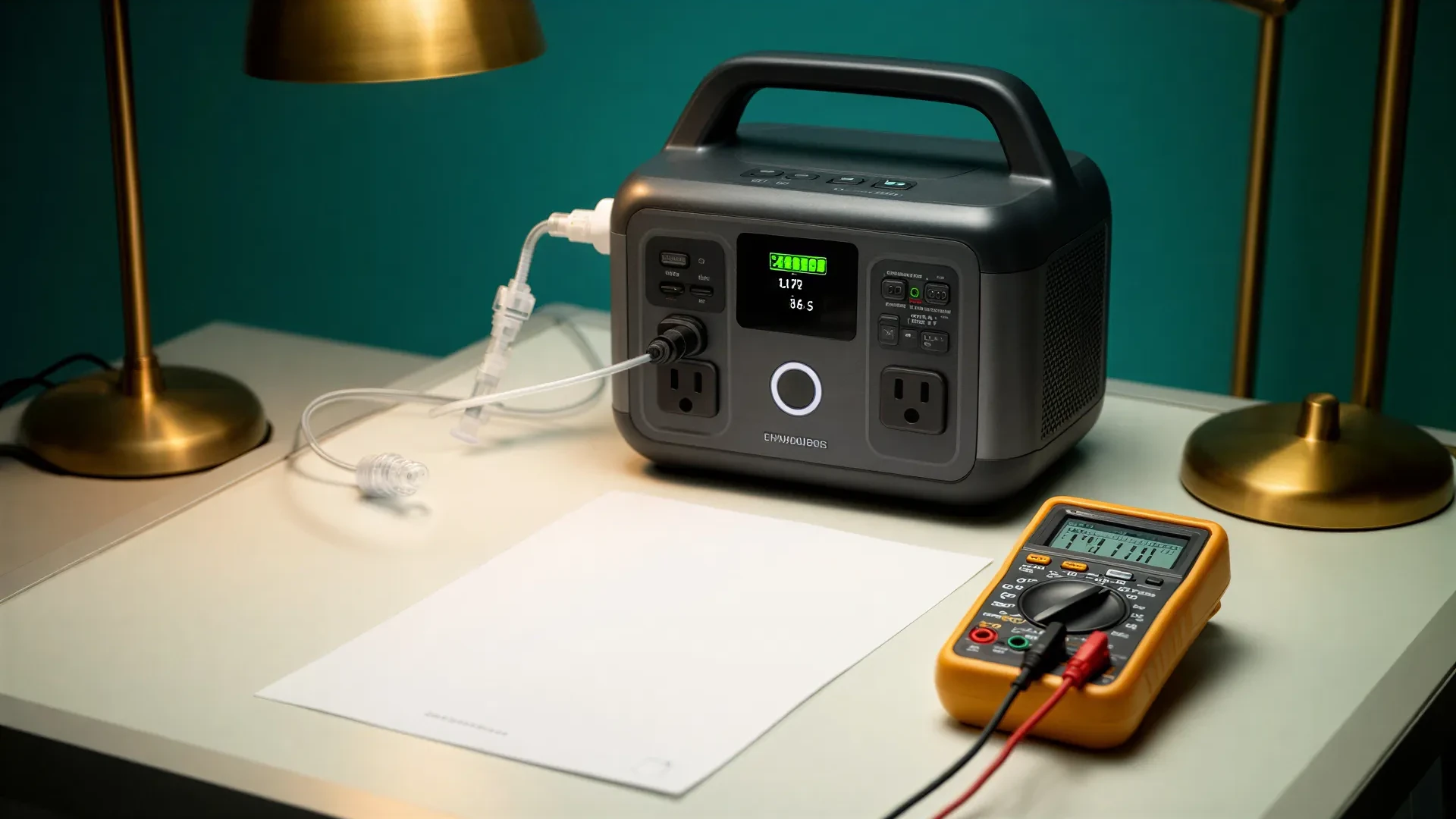
runtime